Search This Supplers Products:square steel piperectangular steel pipeERW steel pipehot galvanized steel pipelsaw steel pipeseamless steel pipe
What Is the Difference between LSAW and HSAW Pipes?
time2026/07/31
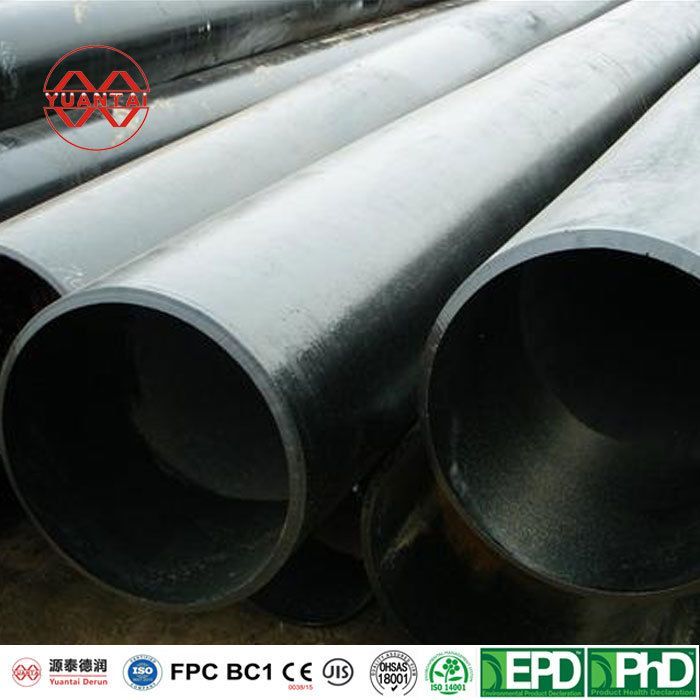
- LSAW and HSAW pipes both use submerged arc welding. However, their forming processes create distinct structural characteristics. LSAW pipes utilize thick steel plates. Manufacturers bend these plates into a cylindrical shape. They then weld a single straight longitudinal seam. This method produces a pipe with high dimensional precision. HSAW pipes use continuous steel coils instead. The machine rolls the coil at a specific angle. This creates a continuous spiral weld around the pipe.
Understanding the Core Manufacturing Differences
LSAW and HSAW pipes both use submerged arc welding. However, their forming processes create distinct structural characteristics. LSAW pipes utilize thick steel plates. Manufacturers bend these plates into a cylindrical shape. They then weld a single straight longitudinal seam. This method produces a pipe with high dimensional precision. HSAW pipes use continuous steel coils instead. The machine rolls the coil at a specific angle. This creates a continuous spiral weld around the pipe. Both methods serve different industrial needs effectively.
Comparing Structural Integrity and Performance
The weld orientation directly impacts pipe performance under pressure. LSAW pipes feature a short straight seam. This seam runs parallel to the pipe axis. The short weld length reduces defect probability significantly. It also minimizes residual stress concentration. HSAW pipes have a much longer spiral seam. The spiral angle distributes stress more evenly. This design offers better resistance to internal pressure. However, the longer weld increases inspection complexity. LSAW pipes generally handle higher pressure better. They also support thicker wall specifications. HSAW pipes excel in large diameter applications. Their spiral structure provides excellent plastic deformation capacity.
Evaluating Size Range and Production Flexibility
Raw material constraints dictate the size capabilities of each pipe type. LSAW pipes depend on steel plate width. This limits their diameter range to 16-64 inches. They can achieve wall thicknesses up to 75mm. This makes them ideal for high-pressure transmission. HSAW pipes offer superior size flexibility. Manufacturers can adjust the forming angle easily. This allows production of diameters up to 100 inches. They can use narrower coils for larger pipes. This flexibility reduces raw material costs. HSAW pipes suit low-pressure large-volume applications. LSAW pipes remain the choice for critical infrastructure.
Selecting the Right Pipe for Your Project
Project requirements determine the optimal pipe selection. LSAW pipes serve high-pressure oil and gas pipelines. They also work for offshore subsea installations. Their reliability meets strict international safety standards. HSAW pipes suit water distribution systems. They also serve structural piling and bridge construction. These applications prioritize cost efficiency over extreme pressure. LSAW pipes withstand low-temperature environments better. They resist corrosion in harsh conditions. HSAW pipes provide economical solutions for bulk projects. Both types require rigorous quality testing. Proper selection ensures project safety and longevity.
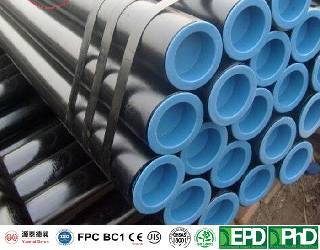
Why Choose YUANTAI DERUN as Your LSAW Steel Pipe Supplier
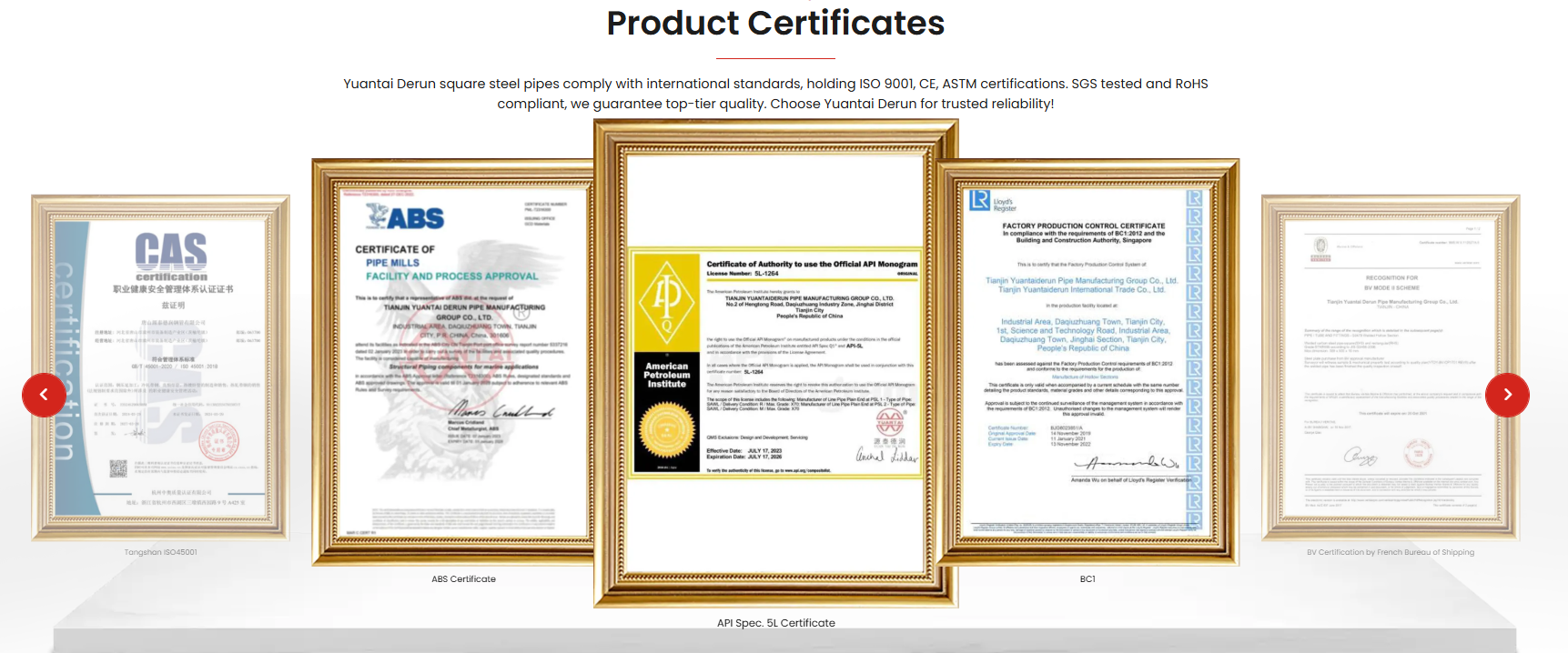
YUANTAI DERUN stands as a leading China steel pipe manufacturer. We specialize in high-quality LSAW steel pipe production. Our advanced JCOE/LSAW/SSAW capabilities ensure precision. We operate from Tianjin Daqiuzhuang Industrial Zone. This location provides unmatched industrial cluster advantages. Our 1,600-acre facility houses modern production lines. Over 2,200 employees drive our manufacturing excellence. We hold ISO9001, ISO14001, and OHSAS18001 certifications. Our products also meet EU CE and DNV standards. These credentials guarantee global compliance and quality.
Our Commitment to Quality and Sustainability
We source raw materials from HBIS and Baosteel. These state-owned mills provide premium steel plates. Our 100+ patents reflect continuous innovation. We produce pipes meeting API 5L and GB/T 9711 standards. Our LSAW steel pipe undergoes strict NDT testing. Each product receives comprehensive quality verification. We prioritize green manufacturing practices. Our operations support sustainable steel industry transformation. We drive eco-friendly innovation through strategic partnerships. This commitment benefits both clients and the environment.
Comprehensive Service and Global Support
We offer integrated manufacturing, logistics, and trade services. Our 700M RMB registered capital ensures stability. We hold 5A operational management and 3A credit ratings. These achievements reflect our corporate reliability. Our team provides expert technical support. We assist with product selection and design. Our logistics network ensures timely global delivery. We serve clients across multiple industries. Our reputation ranks among China's Top 500 Private Enterprises. This recognition validates our market leadership.
Partner with a Trusted Steel Pipe Manufacturer
Selecting the right LSAW steel pipe supplier matters. YUANTAI DERUN delivers consistent quality and reliability. Our China steel pipe meets global project demands. We combine advanced technology with sustainable practices. Our steel pipe manufacturer expertise ensures satisfaction. We welcome inquiries from international clients. Contact us to discuss your project requirements. Our team provides customized solutions promptly. Choose YUANTAI DERUN for your next pipeline project. We guarantee products that exceed expectations. Our commitment drives your project success forward.