Search This Supplers Products:square steel piperectangular steel pipeERW steel pipehot galvanized steel pipelsaw steel pipeseamless steel pipe
Square Steel Pipe Market Trends 2026: What Global Buyers Need to Know
time2026/04/24
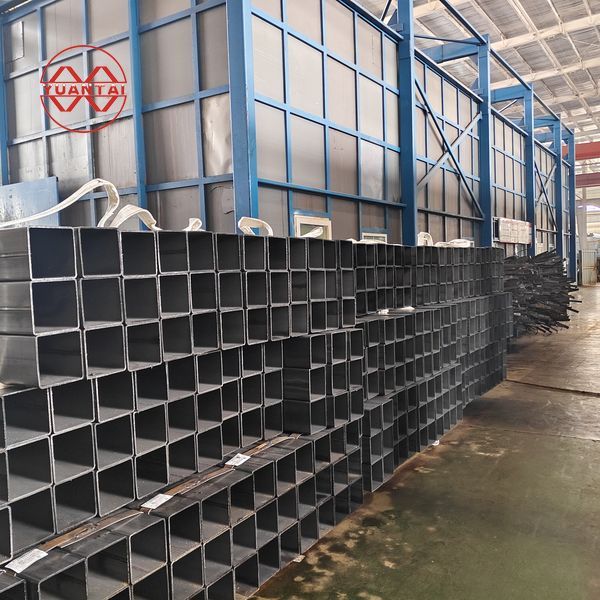
- The square steel pipe market in 2026 is shaped by strong demand, sustainability requirements, and evolving global supply chains. For buyers, success depends on understanding these trends and choosing the right partners.
In 2026, the global steel industry is entering a new phase of transformation, shaped by sustainability goals, infrastructure expansion, and evolving supply chain dynamics. Among various steel products, square steel pipe has emerged as a critical material in modern construction and industrial applications.
Known for its structural strength, versatility, and cost efficiency, square steel pipe is widely used across multiple sectors. For global buyers, understanding current market trends is essential to making informed sourcing decisions, controlling costs, and securing reliable supply.
This article explores the key trends shaping the square steel pipe market in 2026 and what they mean for international buyers.
1. Strong Demand Driven by Infrastructure and Urbanization
One of the most significant trends in 2026 is the continued growth in global infrastructure development. Governments worldwide are investing heavily in transportation systems, public facilities, and urban expansion projects.
Key demand drivers include:
1.Large-scale infrastructure projects such as bridges, highways, and rail systems
2.Rapid urbanization in emerging economies
3.Expansion of industrial zones and logistics hubs
Square steel pipes are widely used in:
1.Structural frameworks
2.Support columns
3.Industrial buildings
Their high strength-to-weight ratio and ease of fabrication make them a preferred choice for engineers and contractors. As a result, demand remains strong and is expected to grow steadily over the coming years.
2. Rising Importance of Green and Sustainable Materials
Sustainability is no longer a niche concept—it has become a central requirement in global construction projects. In 2026, environmental regulations and green building standards are significantly influencing material selection.
Why square steel pipe supports sustainability:
1.Steel is 100% recyclable
2.Reduced construction waste due to precision manufacturing
3.Suitable for modular and prefabricated construction
In addition, stricter environmental policies, especially in Europe, are pushing buyers to choose suppliers that can provide:
1.Low-carbon production processes
2.Environmental certifications
3.Transparent carbon footprint data
This shift is accelerating the transition toward greener steel products and responsible manufacturing practices.
3. Supply Chain Uncertainty and Price Volatility
Despite strong demand, the square steel pipe market is facing ongoing challenges related to supply chain instability.
Key factors affecting the market:
1.Fluctuating raw material prices
2.Rising energy costs
3.Global shipping disruptions
4.Geopolitical uncertainties
These issues have led to:
1.Frequent price fluctuations
2.Longer delivery times
3.Increased risk in procurement planning
For buyers, this means it is more important than ever to work with suppliers that offer stable production capacity and reliable delivery schedules.
4. Technological Advancements in Manufacturing
Another major trend shaping the industry is the rapid advancement of manufacturing technology.
Key innovations include:
1.Automated production lines for higher precision
2.Advanced welding techniques
3.Improved galvanizing and anti-corrosion processes
4.Development of high-strength steel grades
These technological improvements provide several benefits:
1.Enhanced product consistency
2.Better mechanical performance
3.Longer service life
For buyers, this means access to higher-quality products that meet increasingly demanding project requirements.
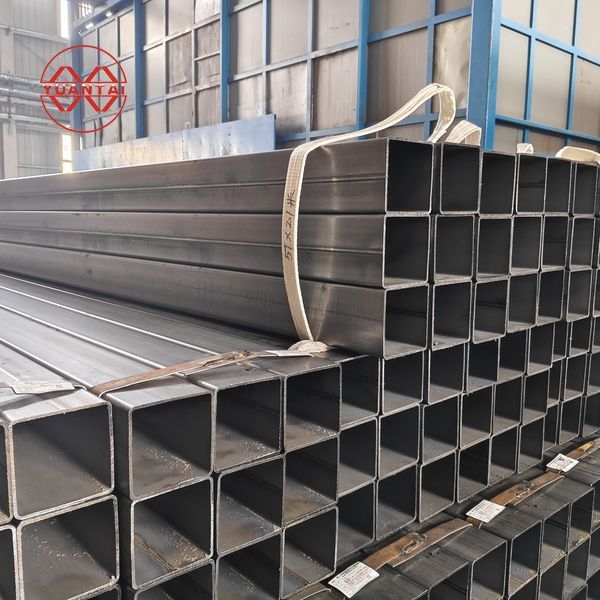
5. Regional Market Differences Are Becoming More Pronounced
In 2026, the global square steel pipe market is not uniform—regional differences are becoming more significant.
Key regional trends:
(1)North America: Stable demand with strict quality and certification requirements
(2)Europe: Strong focus on sustainability and carbon emissions
(3)Asia: Leading production capacity with competitive pricing
(4)Middle East & Africa: Growing demand driven by infrastructure investments
Understanding these regional dynamics helps buyers:
① Identify the best sourcing markets
② Optimize procurement strategies
③ Reduce costs and risks
6. Increasing Focus on Supplier Reliability
With market uncertainty and rising quality expectations, supplier selection has become a critical factor for success.
Buyers should evaluate suppliers based on:
1.Production capacity and consistency
2.Quality control systems
3.Compliance with international standards (ASTM, EN, etc.)
4.Export experience and logistics capabilities
Choosing the right supplier can help avoid delays, reduce risks, and ensure long-term project success.
Why Partner with a Professional Square Steel Pipe Manufacturer
As global demand continues to grow, working with a professional and experienced manufacturer is essential.
As a leading steel pipe manufacturer in China, we provide:
1.High-quality square and rectangular steel pipes
2.Advanced production technology for precision and durability
3.Full product range including black, pre-galvanized, and hot-dip galvanized pipes
4.Strict quality control aligned with international standards
5.Reliable supply chain and fast global delivery
We are committed to delivering not just products, but long-term value and dependable service to our global clients.
The square steel pipe market in 2026 is shaped by strong demand, sustainability requirements, and evolving global supply chains. For buyers, success depends on understanding these trends and choosing the right partners.
As the industry continues to evolve, square steel pipes will play an increasingly important role in modern construction and infrastructure development.